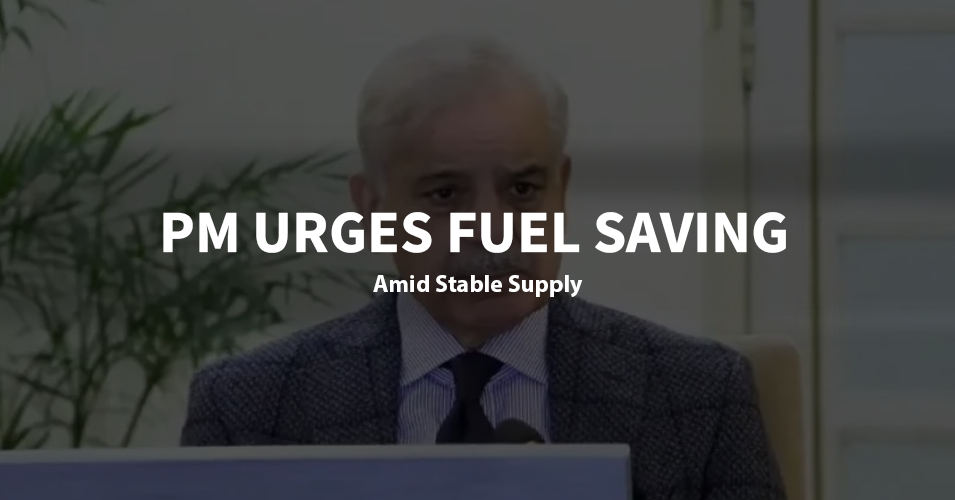
PM Urges Fuel Saving Amid Stable Supply
Rising fuel concerns are likely to influence everyday routines across major cities. Commuters may begin adjusting travel habits, opting for carpooling, public transport, or combining multiple errands into a single trip. Ride-hailing and delivery costs could also fluctuate if fuel prices increase further.
Business and Workplace Adjustments
Companies may gradually shift toward hybrid work models to align with the government’s advice. Increased reliance on virtual meetings can help reduce operational costs while supporting national fuel conservation efforts. Businesses that depend heavily on logistics may also revisit delivery schedules and route planning.
Possible Long-Term Measures
If global oil instability continues, Pakistan may expand energy-saving policies beyond short-term advisories. This could include stricter fuel efficiency regulations, promotion of electric vehicles, and investment in alternative energy sources to reduce reliance on imports.
Public Response and Awareness
Public cooperation will play a key role in the success of these measures. Awareness campaigns and clear communication from authorities can help people understand how small changes in daily fuel usage contribute to broader economic stability.