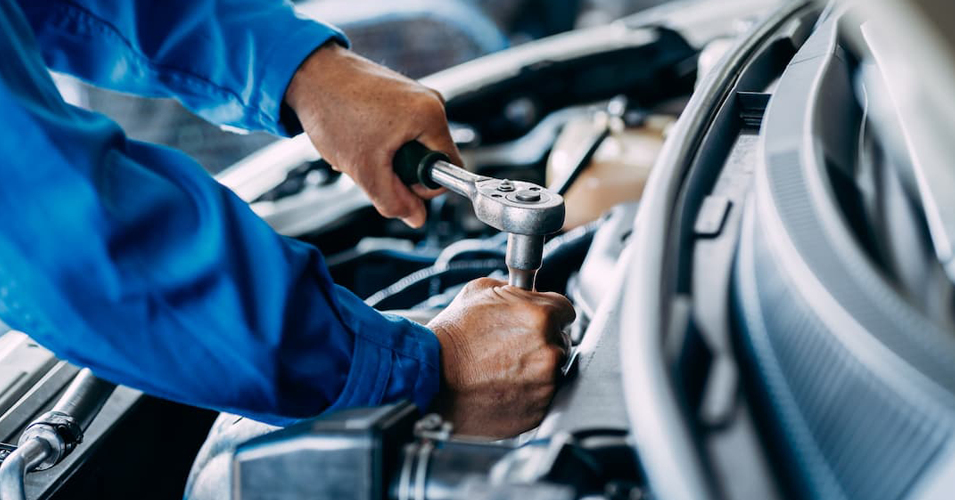
When Regular Driving Starts Affecting Performance
The change is usually subtle at first. Nothing breaks, nothing stops working, yet something feels slightly off during daily driving.
In cars, it often shows up in traffic. Acceleration feels slower than usual. The engine sounds a bit heavier, especially during longer drives. Fuel consumption starts creeping up without any clear reason.
With bikes, the difference is easier to notice. The ride loses smoothness. Gear shifts don’t feel as clean. Sometimes the engine heats up quicker than expected, even on short runs.
We hear this a lot during service visits at Kaacib. Drivers don’t always connect these changes to servicing right away. The vehicle still runs, so the thought gets delayed.
That’s usually where the question begins to form, how often should you service your bike or car?
What Actually Changes Inside a Vehicle Over Time
Nothing inside the engine stays in the same condition for long. Even with careful driving, parts begin to wear in ways that aren’t visible from the outside.
Oil is usually the first thing that loses effectiveness. It starts clean, then gradually thickens as it collects heat, dust, and residue from the engine. Lubrication drops, and friction increases without making it obvious.
A few other changes build up quietly:
- Engine oil breaking down
Heat cycles reduce its ability to protect moving parts, especially in daily city driving.
- Air and oil filters collecting debris
Dust and particles restrict airflow and reduce engine efficiency over time.
- Increased internal friction
Moving parts don’t operate as smoothly once lubrication weakens.
- Brake wear and fluid condition
Braking response changes gradually as pads wear and fluid absorbs moisture.
- Heat buildup inside the engine
Continuous driving, especially in traffic, raises operating stress on internal components.
None of these changes happen all at once. They build slowly, which is why performance drops feel gradual rather than sudden.
Service Intervals: What We Recommend Based on Usage
There isn’t a single number that works for every vehicle. Usage changes everything.
For Daily Driven Cars:
Cars used regularly in city traffic usually need attention sooner than expected. Stop-and-go driving, long idling, and heat all add up.
Around every 4,000 to 6,000 kilometers, basic servicing keeps things stable. Oil condition, filters, and overall engine response tend to shift within that range.
Some drivers stretch it longer. The car still runs, but performance starts dipping quietly before it becomes noticeable.
For Bikes and Motorcycles:
Bikes usually show signs earlier. Engine response, vibration, and gear smoothness change faster compared to cars.
Servicing often falls somewhere between 2,000 to 3,000 kilometers, depending on how the bike is used. Daily commuting, especially in traffic, shortens that interval.
When Servicing Should Happen Sooner:
Fixed intervals don’t always hold in real conditions.
- Frequent short trips
- Heavy traffic usage
- Riding or driving in heat for long hours
- Noticeable change in performance
In these cases, waiting for a set number usually does more harm than good.
At Kaacib, we usually look at how the vehicle behaves rather than just the mileage. The numbers help, but the condition tells the real story.
What Happens When Servicing Gets Delayed
Most vehicles don’t fail immediately when servicing is delayed. The change builds slowly, and that’s what makes it easy to ignore.
The engine starts working harder than it should. Oil loses its ability to reduce friction, and internal parts begin to wear faster than normal.
Fuel consumption usually goes up first. Not drastically, just enough to go unnoticed at the beginning. Over time, that small difference becomes consistent.
Minor issues also begin to stack.
- A rough idle.
- Slight vibration.
- Delayed pickup.
Each one feels manageable on its own.
Left alone, they start connecting. Heat increases, efficiency drops, and parts that could have lasted longer begin to wear out earlier.
By the time the vehicle comes in for service, the work is no longer routine. It turns into repair.
How We Approach Servicing at Kaacib
Servicing doesn’t start with tools. It starts with understanding how the vehicle has been used.
Some cars come in with high mileage but steady performance. Others arrive early with signs of stress. The difference usually comes from driving conditions, not just distance covered.
At Kaacib, we usually begin with a quick inspection rather than jumping into routine work. Oil condition, filter state, engine response, and visible wear points give a clearer picture of what the vehicle actually needs.
In many cases, not everything requires immediate replacement. Some parts still perform well, while others show early signs of wear. That distinction helps avoid unnecessary work and keeps the focus on performance.
Bikes and cars also behave differently. Bikes tend to show changes earlier through vibration and sound. Cars, on the other hand, hold performance longer but build internal stress quietly.
The goal is not just to complete a service. It’s to bring the vehicle back to a condition where it runs smoothly without added strain.
Keeping Your Vehicle Running Smooth Between Services
Most vehicles don’t need constant attention between service visits. A few small checks usually keep things from slipping.
- Notice changes in sound or vibration
Engines rarely change behavior without a reason. Small shifts often show up before larger issues.
- Keep an eye on fuel usage
A slight increase usually points to efficiency dropping somewhere in the system.
- Don’t ignore slower pickup or response
Performance changes tend to appear early, even when everything still feels “fine.”
- Check fluid levels occasionally
Low oil or coolant levels can affect how the engine handles daily load.
- Avoid pushing the vehicle under stress
Long idling, aggressive driving, or constant high load shortens the gap between services.
Most of this comes down to paying attention. Vehicles usually give signals early. Catching them in time keeps servicing simple and avoids unnecessary repairs.
Final Thoughts on Servicing Your Bike or Car
There isn’t a fixed answer that fits every vehicle. Mileage helps as a reference, but daily use tells a clearer story.
Some vehicles run smoothly even after longer intervals. Others start showing changes much earlier. The difference usually comes down to how they’re driven, how often they’re used, and how well they’ve been maintained.
From what we see at Kaacib, people who pay attention to small changes rarely face major repairs. Those who wait for clear signs usually end up dealing with more than just routine servicing.
Keeping a vehicle in good condition doesn’t require constant effort. It comes down to noticing when something feels different and acting before it turns into a problem.