2026
2026

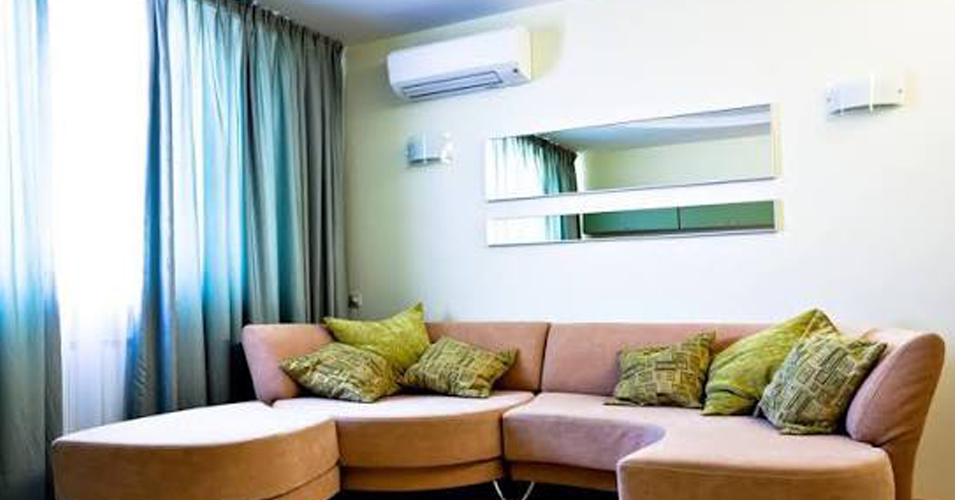
An air conditioner can run for hours without creating the level of comfort people expect.
The temperature inside the room changes, yet something still feels off. One area becomes comfortable fairly quickly while another never seems to reach the same point. The difference isn’t always dramatic, which is why it can be difficult to explain at first.
Cooling seems uneven. A spot near the seating area feels pleasant, but another part of the room continues holding warmth longer than expected. Adjustments get made, temperatures get lowered, and attention often shifts toward the AC itself.
What makes these situations frustrating is that the system appears to be working. Cool air is present. The room is cooling. Yet room comfort doesn’t feel consistent from one area to another.
Many questions about how AC placement affects cooling performance begin with this experience. Before anyone starts looking for explanations, there is usually a period where uneven cooling is noticed long before its cause is understood.
When Cooling Feels Strong in One Area but Weak in Another
Uneven cooling rarely affects an entire room in exactly the same way.
A space can feel comfortable at first glance, yet spending a few minutes in different areas tells a different story. One side of the room reaches comfort sooner, while another never seems to catch up. The temperature setting remains unchanged, but the experience varies depending on where someone is sitting, working, or relaxing.
The difference becomes easier to notice during warmer parts of the day. A seating area may feel pleasant enough, while a nearby corner continues holding lingering warmth. In larger rooms, family members sometimes describe completely different experiences despite sharing the same space.
Cooling inconsistency also tends to create small habits. A chair gets moved closer to where the room feels cooler. Certain areas are avoided during the afternoon. Fans are switched on in places that always seem to take longer to cool.
What makes these situations difficult to understand is their unpredictability. The room is being cooled, yet uneven comfort continues appearing in the same places. Temperature differences become familiar enough to notice, but not always obvious enough to explain.
Long before anyone starts looking for reasons, most people simply recognize that some parts of the room feel noticeably different from others.
How Cool Air Actually Moves Through a Room
Cooling begins at a single point, but comfort is experienced across an entire space.
The moment cooled air leaves the AC unit, it starts a journey through the room. Some areas encounter that cooling sooner than others. Occupied spaces closest to the cooling path often feel the change first, while other areas may take longer to reach the same level of comfort.
The difference is not always dramatic. In many cases, the room eventually cools down as a whole. The variation lies in timing. One area settles into a comfortable temperature relatively quickly, while another continues adjusting for a longer period.
Movement through the room also changes throughout the day. Furniture gets used differently. Doors open and close. People gather in certain areas while others remain empty. As conditions shift, cooled air reaches different areas in different ways, influencing how cooling is experienced across the space.
This is why room coverage matters as much as temperature itself. A thermostat or temperature reading may suggest that cooling is taking place, yet comfort depends on how evenly that cooling is distributed throughout the room.
Understanding cooling distribution helps explain why two people sharing the same space can describe very different experiences. The cooling system may be producing the same output, but the cooling reach within the room is not always experienced equally everywhere at the same time.
Placement Factors That Influence Cooling Performance
Distance From Occupied Areas:
People rarely judge cooling performance from the center of a room. They judge it from where they spend their time.
A room can reach the desired temperature, yet a sofa, desk, or dining area still feels less comfortable than expected. The difference becomes noticeable during longer periods of use. Twenty minutes spent in one spot feels perfectly comfortable. Twenty minutes somewhere else leaves a different impression.
Cooling doesn’t have to reach every part of a room in exactly the same way for those differences to appear.
Nearby Obstacles and Furniture:
Uneven cooling sometimes starts after a room changes.
A large bookcase is added. New shelving is installed. Furniture gets rearranged. Nothing about the AC changes, yet the room begins feeling different.
The change is subtle because cooling is still present. What shifts is the cooling path through the space. Some areas continue receiving comfortable coverage while others become slower to respond. The result often feels like a performance problem even though the change happened elsewhere in the room.
Wall Position Within the Room:
Two rooms of similar size can produce very different cooling experiences.
In one room, comfort spreads relatively evenly across the space. In another, certain areas consistently reach comfort sooner than others. The difference isn’t always related to the AC itself. Positioning within the room influences how cooling reaches surrounding areas and how evenly that experience is shared across the space.
This becomes easier to notice in rooms where people regularly move between different seating or working areas.
Windows and Direct Sunlight:
A room that feels comfortable in the morning can tell a different story by late afternoon.
Sunlight gradually changes conditions throughout the day. Areas exposed to direct sunlight absorb additional heat, creating a contrast between shaded and sunlit sections of the same room. One side remains comfortable while another requires more time to reach the same comfort level.
The temperature setting may remain unchanged, yet the room no longer feels equally comfortable from one area to another.
Room Shape and Layout:
Not every room behaves like a simple square.
Some spaces extend into adjoining areas. Others contain alcoves, long sections, or open layouts that create different cooling experiences across the same floor plan.
A person standing near the center of the room may feel perfectly comfortable while another area remains noticeably slower to settle. Cooling distribution still occurs, but room coverage becomes less uniform as the space becomes more complex.
Many questions about AC placement and cooling performance ultimately come back to this idea: comfort depends not only on how much cooling is produced, but also on how effectively that cooling reaches the areas where it is needed most.
When Placement Problems Look Like AC Problems
A room can feel unevenly cooled without giving any clear indication of why.
From a homeowner’s perspective, the conclusion often seems obvious. Certain areas remain less comfortable than others, cooling takes longer than expected, and the overall experience no longer feels consistent. Attention naturally shifts toward the air conditioner because it is the most visible part of the cooling process.
The difficulty is that several different situations can produce similar symptoms.
A cooling imbalance caused by the way cooling reaches the room can look remarkably similar to a performance concern involving the AC itself. Anyone investigating uneven cooling should first confirm that the unit is producing the correct output. An AC blowing warm air requires a different diagnostic approach than one distributing cool air unevenly.
Mistaken assumptions often begin here. A room that cools unevenly may appear to have an equipment problem when the actual issue involves how cooling is distributed across the areas where people spend their time. The AC continues producing cooling, yet the experience inside the room suggests otherwise.
This is one reason why performance concerns deserve investigation before conclusions are reached.
Anyone exploring possible temperature control problems should consider whether cooling is reaching the room evenly before assuming the air conditioner itself is responsible.
Why Comfort Doesn’t Always Match Cooling Output
Room comfort is usually judged by feeling, not by numbers.
A temperature setting may look perfectly reasonable, yet parts of the room still feel different from one another. Someone reading on the sofa may feel comfortable for hours, while another person sitting across the room reaches for a fan before long. Both are sharing the same space, but their experience of it is not the same.
Afternoon discomfort often makes these differences more noticeable. A room that felt pleasant earlier in the day begins feeling less balanced as the hours pass. Certain areas remain comfortable, while others develop lingering warmth that never seems to disappear completely.
The effect is not always dramatic. In many cases, cooling is clearly taking place. The issue is that comfort level does not improve at the same pace everywhere in the room. One area settles quickly while another feels slightly behind, creating the impression of inconsistent cooling.
Over time, people adapt to these patterns without necessarily realizing it. A preferred seat develops. A particular corner gets avoided during warmer hours. Small adjustments become part of the routine because uneven comfort feels easier to live with than it is to explain.
This is often where concerns about cooling begin. Not with a complete lack of cooling, but with a growing difference between what the room should feel like and what parts of it actually feel like.
How We Evaluate Cooling Distribution at Kaacib
Concerns about uneven cooling rarely arrive with a clear explanation.
One person may describe a room that feels comfortable near the seating area but noticeably different elsewhere. Another may mention afternoon discomfort that appears in the same part of the room every day. Similar complaints can have very different causes, which is why the evaluation begins with observation rather than assumptions.
The inspection process focuses on how cooling is experienced across the space. Temperature readings provide useful information, but they are only one part of the picture. Room conditions, occupied areas, and recurring comfort patterns help reveal whether cooling is reaching the room evenly or favoring certain sections over others.
A room-level cooling assessment goes beyond the unit itself, looking at furniture placement, room layout, and sunlight exposure to understand how those conditions shape the cooling experience across the space.
Patterns become especially important during this stage. A room that feels different only during specific hours often follows a different path of investigation than one that remains consistently uncomfortable in the same area.
Accurate conclusions come from understanding the room as a whole rather than focusing on a single symptom in isolation.
Preventing Placement-Related Cooling Issues
Small changes inside a room can influence how cooling is experienced over time. A few simple habits can make those changes easier to spot before they affect everyday comfort:
- Observe cooling patterns throughout the room. Pay attention to areas that consistently feel different from the rest of the space, especially during the same time of day.
- Avoid obstructions near the cooling path. Large furniture, storage units, or room dividers can sometimes change how cooling reaches different areas.
- Review room changes after renovations or rearrangements. New furniture placement or altered room usage can affect comfort in ways that are not immediately obvious.
- Monitor comfort rather than relying only on temperature settings. A room can reach the desired setting while still feeling uneven in certain areas.
- Take note of recurring warm spots. Locations that repeatedly feel slower to cool often provide useful clues about how cooling is distributed across the room.
- Reassess the space when usage patterns change. A room used differently than before may reveal comfort issues that were previously unnoticed.
Why Cooling Performance Is About More Than the AC Unit
Cooling performance is often judged by a simple question: does the room feel comfortable?
The answer, however, is rarely shaped by the AC unit alone. A room experience is influenced by where comfort is felt, how consistently it is maintained, and whether different areas of the space respond in the same way throughout the day.
Small comfort changes are easy to overlook at first. A corner that always feels slightly warmer. A seating area that reaches comfort sooner than the rest of the room. An afternoon pattern that seems to repeat itself without an obvious reason. Individually, these details may not seem important. Together, they often serve as an early signal that cooling is being experienced differently across the space.
Paying attention to a cooling pattern does not mean looking for faults everywhere. It simply means recognizing that room comfort is shaped by more than the equipment producing the cooling. Sometimes the most useful clues come from the room itself and the way people experience it every day.