When Plumbing Problems Turn Into Emergencies
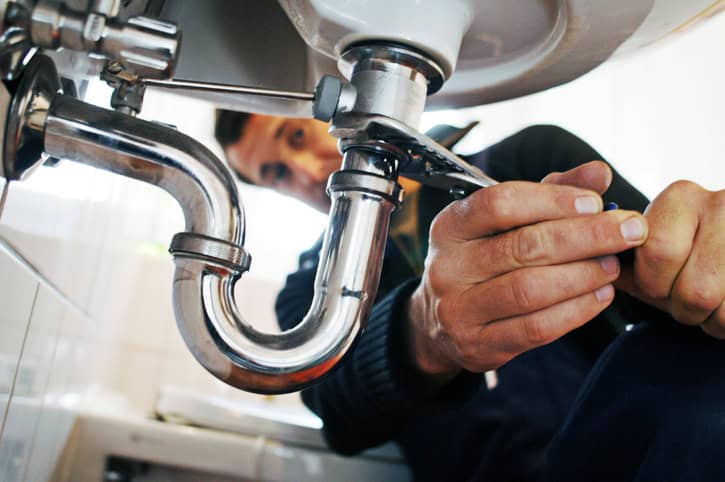
Plumbing issues rarely start as emergencies. A small leak under the sink, a slow drain in the kitchen, or a slightly loose joint often gets ignored for days.
We usually get called when the situation has already changed. Water starts spreading across the floor, pressure drops without warning, or a blocked drain turns into a full backup. By then, control is already lost.
In many homes we visit, the early signs were already there. Damp patches near walls. Water sitting under cabinets. Drainage slowing down over days without getting attention.
The shift from minor issue to emergency does not take long. Once pressure builds inside the pipes or a blockage becomes complete, the system fails all at once. That is when people start looking for immediate solutions to what has now become a plumbing emergency.
What We Usually Find Behind These Plumbing Issues
Plumbing emergencies rarely come out of nowhere. Most of the time, the system has been under stress for a while.
In many homes we check, the same patterns keep showing up:
- Small leaks around joints
Water starts escaping slowly, often ignored until pressure drops or surfaces stay wet.
- Pipe corrosion and aging lines
Older pipes weaken from the inside. Rust builds up, then sections begin to fail without much warning.
- Grease and waste buildup in drains
Kitchen pipes collect layers over time. Flow slows first, then stops completely.
- Temporary fixes that don’t hold
Quick repairs solve the problem briefly, but the underlying issue keeps developing.
- Uneven water pressure across fixtures
Taps lose strength, or pressure drops when multiple points are used together.
- Hidden leaks inside walls or flooring
Moisture spreads quietly before stains, swelling, or damage become visible.
Each of these signs appears early, but rarely gets attention at that stage. By the time we’re called, the system has already reached its limit.
Common Plumbing Emergencies and How We Handle Them
Some calls come in when water is already on the floor. Others start with a slow problem that suddenly stops everything.
Burst Pipes:
A burst pipe does not give much warning. Water starts pushing out fast, sometimes from a joint that held up for years.
First step is always the same. Stop the flow. After that, we trace where the pressure broke the line and replace that section instead of trying to seal it.
Drains That Stop Completely:
Kitchen and bathroom lines usually don’t block overnight. Flow slows first. Water takes longer to clear. Then one day, it stops moving.
By that stage, the line is already filled from inside. Clearing it properly means opening the path again, not just forcing water through.
Leaks That Don’t Go Away:
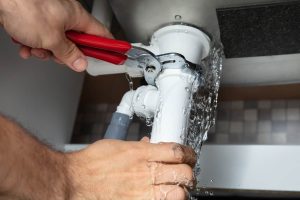
Some leaks look small but never really stop. A cloth tied around a joint, tape over a pipe, or a quick sealant fix.
We usually remove those first. The actual problem sits underneath, either a worn fitting or a weak connection that keeps opening again.
Overflow Situations:
Overflow tends to catch people off guard. Water coming back through a drain usually points to a deeper blockage.
Surface cleaning does not help here. The line needs to be cleared from inside, otherwise the problem returns the same way.
No two calls look exactly the same. The pattern, however, stays familiar once you’ve seen enough of them.
Why Plumbing Emergencies Are Common in Lahore Homes
Plumbing issues in Lahore homes often follow a pattern that becomes familiar after enough site visits. Older houses, in particular, tend to carry aging pipelines that were never replaced, only repaired when something went wrong. Over time, those small fixes add up, and the system becomes less reliable.
Water quality also plays a part. Mineral deposits build up inside pipes, especially in areas where supply is inconsistent. Flow reduces gradually, pressure behaves unevenly, and internal surfaces become rough enough to catch waste and debris.
In many homes, usage is simply higher than what the system was designed for. Multiple bathrooms, continuous kitchen use, and water motors running several times a day all add strain. Pipes and joints handle that load until one weak point gives in.
We also come across drainage setups that were never planned properly. Slight slope issues, sharp turns, or narrow lines make blockages more likely over time. Nothing fails immediately, but the system struggles in the background until something stops working altogether.
Most of these problems do not begin as emergencies. They develop slowly, shaped by usage, environment, and how long the system has gone without proper attention.
How We Keep Plumbing Systems From Breaking Down
Most plumbing systems don’t fail suddenly. Problems build quietly, then show up when one weak point gives in.
In many homes we work in, the early signs are easy to miss. A slight drop in pressure. Water taking longer to drain. A joint that needs tightening more than once.
What usually helps is keeping an eye on a few things before they turn into repairs:
- Joints and exposed connections
Small leaks or moisture around fittings often appear first and should not be ignored.
- Drain flow in kitchens and bathrooms
Slower movement usually means buildup is already forming inside the line.
- Areas where water collects
Cabinets, corners, and floor edges often show early signs of hidden leakage.
- Unusual pressure changes
Sudden drops or uneven flow across taps can point to internal blockage or weak piping.
- Regular cleaning of drain lines
Clearing buildup early keeps the system stable and avoids full blockages later.
Most of this does not require major work. It comes down to noticing changes early and acting before the system reaches its limit.
When It’s Time to Call a Professional Plumber
Some problems look manageable at first. They stop for a while, then come back stronger. That’s usually the point where basic fixes stop working.
Leaks That Keep Coming Back:
Tightening a joint or using sealant may hold for a few days. When the leak returns, the weakness is usually deeper in the pipe or fitting.
Drains That Block Again and Again:
Water clears once, then slows down within days. That pattern usually means buildup is still sitting inside the line.
Pressure Drops Across the House:
One tap acting up is common. Multiple taps losing pressure at the same time usually points to a system issue.
Signs Showing Up on Walls or Floors:
Damp patches, peeling paint, or soft spots don’t appear without a reason. Water is already moving where it shouldn’t.
Sounds You Don’t Usually Hear:
Vibration inside pipes or knocking sounds often come from pressure imbalance or loose connections.
Most service calls we handle at Kaacib begin after these signs have been there for a while. Early inspection usually keeps the situation from turning into a full repair.
Final Thoughts on Handling Plumbing Issues at Home
Most plumbing problems do not begin as emergencies. They build slowly, usually in places that are easy to ignore during daily use.
A leak under the sink, a drain that slows down, or pressure that feels slightly off often gets pushed aside. Nothing feels urgent at that stage. The system still works, so the issue stays unnoticed.
Over time, those small changes start connecting. Water finds weaker paths. Blockages grow inside pipes. Pressure shifts across the system. What looked minor earlier turns into something that disrupts the whole house.
From what we see at Kaacib, timing makes the biggest difference. Acting early keeps repairs simple. Waiting too long usually means dealing with damage that could have been avoided.