When Electricity Starts Behaving Unpredictably
It usually begins with something small. A light flickers once, then works fine again. Nothing feels urgent at that point.
Over time, those small moments start repeating. Lights dim for a second. A fan slows down slightly, then picks up speed again. Appliances don’t behave the same way they used to.
In some homes we visit at Kaacib, the first concern comes from uneven power in different rooms. One area works fine, another loses supply without a clear reason.
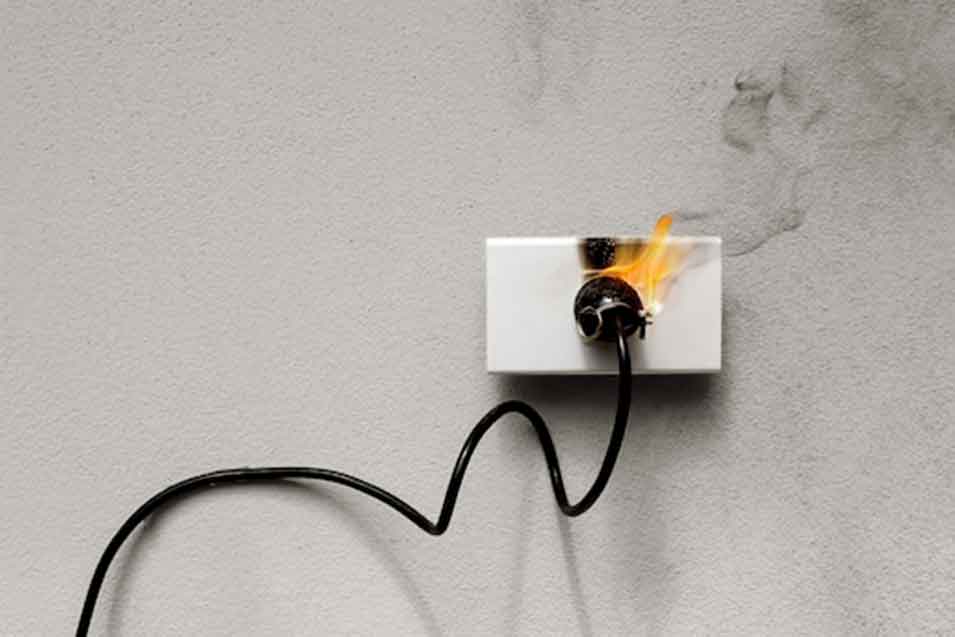
Sometimes there’s a faint smell near a switchboard. Or a socket feels warmer than it should. Not enough to cause alarm, but enough to notice.
Individually, these signs don’t seem serious. Together, they usually point to underlying electrical issues that haven’t fully surfaced yet.
What Usually Causes Electrical Problems in Homes
Electrical issues don’t come from a single fault most of the time. They build from small weaknesses across the system.
In many houses we check, a few patterns show up again and again:
- Wiring that has aged or worn out
Insulation weakens over time. Wires start heating more than they should, especially under regular load.
- Loose connections inside switchboards or joints
Power flow becomes unstable when connections aren’t tight. This often leads to flickering or intermittent supply.
- Circuits carrying more load than they were designed for
Multiple appliances running on the same line increase stress on the system.
- Work done without proper standards
Temporary fixes, mixed wiring, or shortcuts during installation create problems later.
- Voltage fluctuation coming from the supply side
Sudden changes in voltage affect how appliances behave and can stress internal wiring.
None of these issues appear suddenly. They develop over time, then show up through small signs before turning into larger faults.
Common Electrical Issues and What They Lead To
Some problems show up again and again, even in different houses. The signs look small at first, but the effect builds over time.
Lights That Don’t Stay Stable:
Flickering doesn’t always mean a faulty bulb. It often points to unstable current or loose connections somewhere along the line.
Left unchecked, it usually spreads. Other fixtures start behaving the same way.
Breakers That Trip Without Warning:
A breaker shutting off once in a while can happen. When it starts repeating, the circuit is usually under more load than it can handle.
Sometimes the wiring heats up before the trip. Sometimes the system cuts off early to prevent that.
Voltage That Feels Inconsistent:
Fans speeding up and slowing down. Appliances not running at full capacity. These changes usually come from uneven voltage reaching the house.
Over time, this affects how appliances perform and how long they last.
Switches or Wires That Feel Warm:
This is often ignored at first. A slightly warm switchboard or socket doesn’t seem urgent.
But heat usually means resistance somewhere in the connection. That point tends to weaken further if left as it is.
Power Missing in Parts of the House:
One room goes out while the rest of the house works fine. It doesn’t always point to a major failure, but it does indicate a break or fault in a specific line.
These issues rarely stay isolated. One small fault often leads to another if the system is left under the same conditions.
Why Electrical Problems Show Up More Often in Lahore Homes
Electrical issues in Lahore homes rarely come from one single cause. A mix of supply conditions and how systems are used tends to shape the problem.
Power coming into the house is not always stable. Voltage shifts during the day, especially in peak hours. Fans change speed. Lights dim slightly, then return to normal. Over time, that inconsistency affects wiring and connected appliances.
Older houses add another layer to it. Many setups were installed years ago and expanded later without proper planning. Extra load gets added, but the original wiring stays the same.
Summer makes things worse. Air conditioners, coolers, and multiple appliances run together for long hours. Circuits that were manageable before start carrying more load than intended.
In a lot of homes we check, regular inspection simply doesn’t happen. The system keeps running until something forces attention. By then, the issue has usually been there for a while.
How We Handle Electrical Issues at Kaacib
Work usually begins with a quick look at how the problem shows up. Not just what stopped working, but when it happens and under what load.
Some issues appear only when multiple appliances are running. Others show up even with minimal usage. That difference helps narrow things down early.
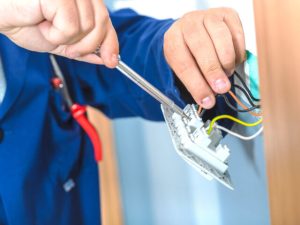
We don’t start by replacing parts. The first step is tracing where the break or instability sits. Loose connections, overheated points, uneven load across circuits, most problems leave signs once you look closely.
In some homes, the fix stays simple. Tightening a connection, redistributing load, or correcting a faulty joint brings things back to normal. In others, the wiring itself needs attention.
Safety checks come alongside the repair. Areas that show heat or stress get reviewed again before closing the work.
The aim is to leave the system stable, not just functional for the moment.
Preventing Electrical Problems Before They Escalate
Most electrical issues don’t appear without warning. The signs show up early, just easy to overlook.
A few small checks usually keep things from getting worse:
- Don’t overload a single circuit
Running multiple heavy appliances on one line builds heat and strain over time.
- Pay attention to repeated changes
Flickering, dimming, or uneven performance that happens more than once usually points to a deeper issue.
- Check switches and sockets occasionally
Warmth, looseness, or slight discoloration often appears before a failure.
- Avoid temporary fixes for recurring problems
If something needs repeated adjustment, the actual fault is still there.
- Get the system looked at before it fails
Early inspection usually keeps the repair smaller and safer.
Most of this comes down to noticing patterns. Electrical systems rarely fail suddenly without showing signs first.
Closing Note on Electrical Issues at Home
Electrical problems don’t usually begin with a failure. They start with small changes that feel easy to ignore.
A light that flickers once. A socket that feels slightly warm. A breaker that trips and then works again. None of these seem serious on their own.
Over time, those signs start connecting. Load increases, connections weaken, and the system begins to react under pressure.
From what we see at Kaacib, the difference often comes down to timing. Early attention keeps things simple. Waiting usually turns a small fix into a larger repair.
The system doesn’t need constant intervention. It just needs to be noticed before it reaches that point.