2026
2026

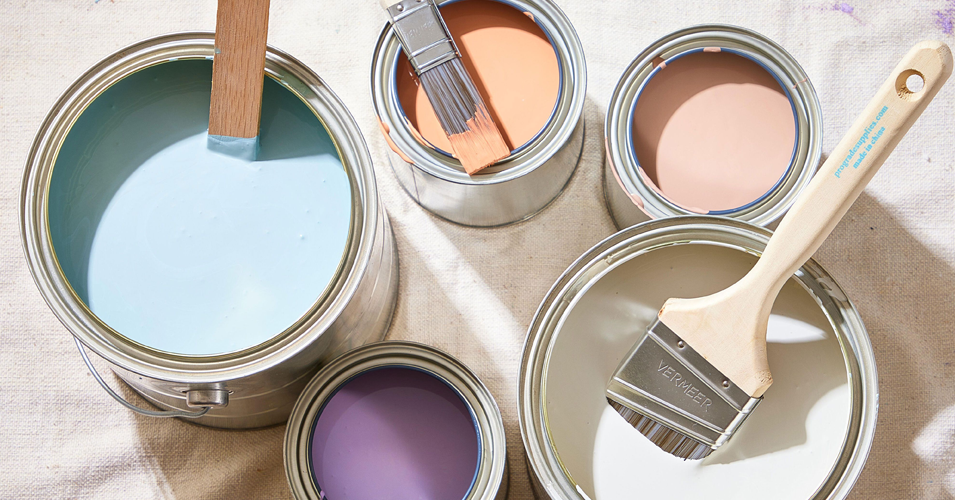
Why One Paint Type Doesn’t Work for Every Surface
A common assumption shows up on almost every site. One paint gets selected, then applied across walls, doors, ceilings, sometimes even exterior areas.
It looks consistent at first. Same color, same finish, everything feels uniform.
After some time, differences start appearing.
Walls may still look fine, but doors begin showing marks. Exterior surfaces lose their finish faster. Kitchen areas react differently compared to bedrooms.
The issue usually isn’t the brand or the color. It’s the surface underneath.
Each surface behaves in its own way. Wood expands and contracts. Exterior walls face heat and dust. Interior walls stay relatively stable unless exposed to moisture or frequent contact.
Using one paint type across all of them ignores those differences. The result holds for a while, then starts breaking unevenly.
What Changes From Surface to Surface
Paint doesn’t fail randomly. The surface underneath decides how long it holds and how it behaves over time.
In most homes we work on, these differences show up clearly:
- Interior walls vs exterior walls
Interior walls stay protected. Exterior surfaces deal with heat, dust, and moisture every day.
- Wood vs cement surfaces
Wood moves slightly with temperature changes. Cement stays more stable but absorbs moisture differently.
- Dry areas vs moisture-prone areas
Bedrooms remain dry most of the time. Kitchens and bathrooms carry humidity that affects the paint layer.
- Smooth vs rough surfaces
A smooth wall holds finish evenly. Rough surfaces break the reflection and wear differently.
- High-contact vs low-contact areas
Walls near switches, doors, and corridors face regular touch. Other areas remain mostly undisturbed.
These differences don’t seem important at the start. They become visible once the paint begins reacting to everyday use.
Best Paint Types Based on Where You Use Them
Paint choice becomes clearer once the surface and usage are understood. The same finish rarely works everywhere.
Interior Walls That Stay Mostly Untouched:
Bedrooms and low-use areas usually hold paint longer. Matte finishes work here because appearance matters more than durability.
They don’t handle cleaning well, but they don’t need to.
Living Areas and Common Spaces:
These areas see more movement. Walls get touched more often, especially near switches and furniture.
Satin or soft sheen finishes tend to hold better. They allow light cleaning without damaging the surface.
Kitchens and Moisture-Prone Areas:
Paint reacts differently where humidity is present. Walls in kitchens or near water sources need something more resistant.
Semi-gloss or moisture-resistant paints perform better here. They don’t absorb stains as easily and handle wiping without losing finish quickly.
Doors, Frames, and Wood Surfaces:
Wood behaves differently from walls. It expands slightly and faces more contact.
Gloss or semi-gloss finishes usually work better on these surfaces. They resist marks and are easier to clean.
Exterior Walls:
Exterior surfaces face constant exposure. Heat, dust, and weather conditions affect the paint layer over time.
Weather-resistant paints last longer here. Interior paints don’t hold up outside, even if the color looks the same initially.
Using the right paint for each area usually prevents uneven wear later. One type across all surfaces rarely holds up the same way.
Common Mistakes When Using the Same Paint Everywhere
The most common mistake is not obvious at the start. Everything looks fine right after painting, so the decision feels right.
Problems show up later, and not in the same way across the house.
Matte finishes get used in high-contact areas. Marks start appearing within weeks. Cleaning leaves patches instead of fixing them.
Gloss gets applied on large wall sections. Light starts reflecting unevenly. Surface imperfections become more visible than before.
Interior paint ends up on exterior walls. It holds for a while, then begins fading faster under sun and dust.
Moisture-prone areas get standard paint. The surface reacts slowly, then loses its finish where humidity stays longer.
None of these choices seem wrong at the time. They only start showing once the wall has been used the way it normally would.
How We Match Paint Types to Surfaces at Kaacib
We don’t start with a paint catalogue. We start with the surfaces.
One room rarely behaves like another, even inside the same house. A wall near a window reacts differently than one in a closed corner. A kitchen wall carries moisture that a bedroom never sees.
We usually walk through the space first. Look at where contact happens, where light hits directly, and where the surface might already be reacting to heat or humidity.
Final Thought on Choosing Paint for Different Surfaces
Paint doesn’t fail evenly. It shows its limits where the surface puts the most stress on it.
One area holds up well. Another starts changing sooner. Same house, same color, different result.
From what we see at Kaacib, the difference usually comes down to how well the paint matches the surface it was applied on. Not the brand. Not the shade.
Getting that match right keeps the finish consistent across the house, even after months of use.
Some areas need durability more than finish. Others need a smooth, even look without much stress from daily use. That difference shapes the choice.
We don’t recommend a single paint type across everything. Mixing finishes based on how each surface behaves tends to last longer and stay more consistent.
The goal is not just to make it look uniform on day one. It’s to keep it holding up evenly across different parts of the house.
Choosing Paint That Actually Lasts on Your Surface
Paint lasts longer when the choice matches how the surface is used, not just how it looks.
A few things usually make the difference:
- Match the paint to the surface, not the color theme
Walls, wood, and exterior areas all need different finishes to hold up properly.
- Think about usage before appearance
High-contact areas need durability. Low-use spaces can focus more on finish.
- Consider moisture and ventilation
Humid areas change how paint behaves over time, even if everything looks fine initially.
- Avoid using one paint type across the whole house
What works in one room often fails in another.
- Choose based on long-term maintenance
Some paints look good at first but require frequent touch-ups later.
Most of the time, the right choice doesn’t feel complicated. It becomes clear once the surface and its conditions are understood.