When Electricity Bills Start Getting Out of Control
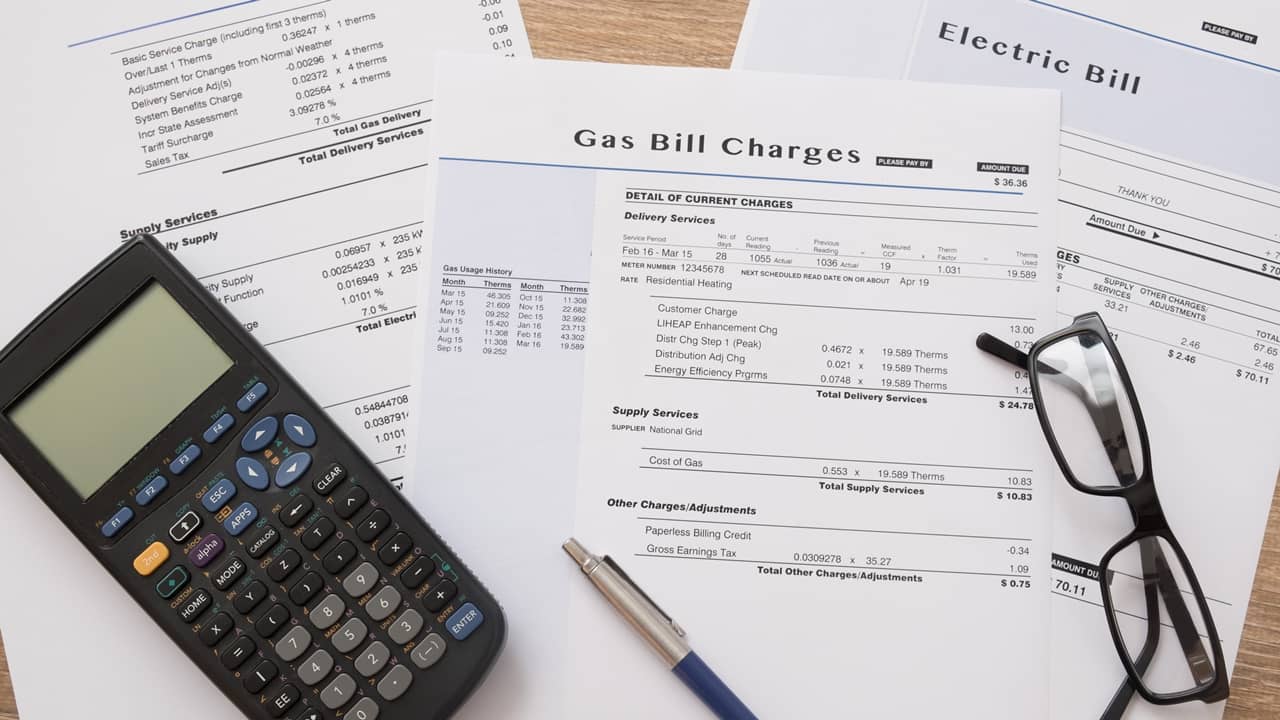
Electricity bills usually start bothering people when the numbers stop making sense. One month feels normal, then the next bill jumps without any obvious change in routine.
Summer makes things worse. Air conditioners run longer than expected, sometimes even through the night, and the meter keeps moving quietly in the background.
In many homes we inspect at Kaacib, the issue rarely comes from a single appliance. Usage builds up across small habits. Lights stay on longer than needed. AC settings stay lower than required. Devices remain plugged in all day without anyone noticing.
The problem usually isn’t one big mistake. It’s a pattern that develops over time, and only becomes visible when the bill arrives.
Where Most Electricity Gets Consumed in a Typical Home
Electricity usage inside a home rarely spreads evenly across appliances. A few major contributors usually account for most of the monthly bill.
- Air conditioners and cooling systems
AC units consume the highest electricity during summer, especially when used for extended hours without proper temperature control.
- Refrigerators and continuous appliances
Refrigerators run throughout the day. Older units or poor maintenance often increase electricity consumption.
- Water motors and pumps
Frequent or inefficient usage of water motors adds noticeable load, particularly in larger households.
- Lighting systems
Traditional bulbs consume more power compared to LED alternatives, especially when used across multiple rooms.
- Standby power usage
Televisions, chargers, and other electronics continue consuming electricity even when not actively in use.
Understanding where electricity is used makes it easier to control overall consumption.
Practical Ways to Reduce Electricity Bills Without Major Changes
Small adjustments inside the house often bring noticeable changes in the bill. No major upgrades are required. Most savings come from how appliances are used during the day.
AC Usage That Doesn’t Waste Units:
Lower temperature settings usually run longer than expected. Keeping the AC at a moderate setting reduces load without affecting comfort too much.
Short gaps between usage cycles also help. Continuous operation for hours tends to increase consumption without improving cooling.
Lighting That Doesn’t Add Up Quietly:
Lighting rarely feels expensive, yet it adds up across multiple rooms. Replacing older bulbs with LEDs usually reduces unnecessary load.
Rooms that stay lit without use often go unnoticed. A quick habit change here makes a difference over time.
Appliances Left Running in the Background:
Chargers, televisions, and small electronics continue drawing power even when idle. That usage remains invisible but constant.
Unplugging or switching off from the source reduces unnecessary consumption without effort.
Timing of High-Load Appliances:
Running washing machines or water motors during peak hours increases overall demand. Spacing out usage keeps the load manageable.
Using one heavy appliance at a time usually works better than running several together.
Small Maintenance That Improves Efficiency:
Appliances lose efficiency when not maintained. AC filters, for example, collect dust quickly and force the system to work harder.
At Kaacib, simple servicing often brings consumption down without replacing any equipment. Clean systems run with less strain and more consistency.
Smart Usage Habits That Make a Long-Term Difference
Electricity savings usually come from consistent habits rather than one-time changes. Daily routines gradually shape overall consumption.
Regular maintenance of appliances improves efficiency and reduces unnecessary power usage. Air conditioners, refrigerators, and motors perform better when serviced on time.
Scheduling usage also matters. Running multiple high-load appliances at the same time increases electricity demand and affects overall consumption.
Monitoring usage patterns over time helps identify where adjustments are needed. Small corrections often lead to noticeable savings across monthly billing cycles.
When Professional Support Helps Reduce Electricity Costs
Electricity usage does not always rise because of visible overuse. In some homes, systems keep drawing extra units quietly due to poor condition or incorrect setup.
At Kaacib, AC inspections often reveal higher consumption linked to clogged filters or reduced gas pressure. Cooling may still feel acceptable at first. The system, however, runs longer to reach the same temperature. That extra runtime slowly adds to the bill.
Load distribution inside the house can also create imbalance. Multiple high-consumption appliances connected to a single circuit increase strain. Wiring heats up slightly under load. Efficiency drops in a way that usually goes unnoticed.
Older connections sometimes contribute to the problem. Loose joints or worn wiring can cause small energy losses over time.
A focused inspection usually identifies a few clear issues rather than a broad fault. Once corrected, electricity usage becomes more predictable, and monthly bills start to stabilize without major lifestyle changes.