

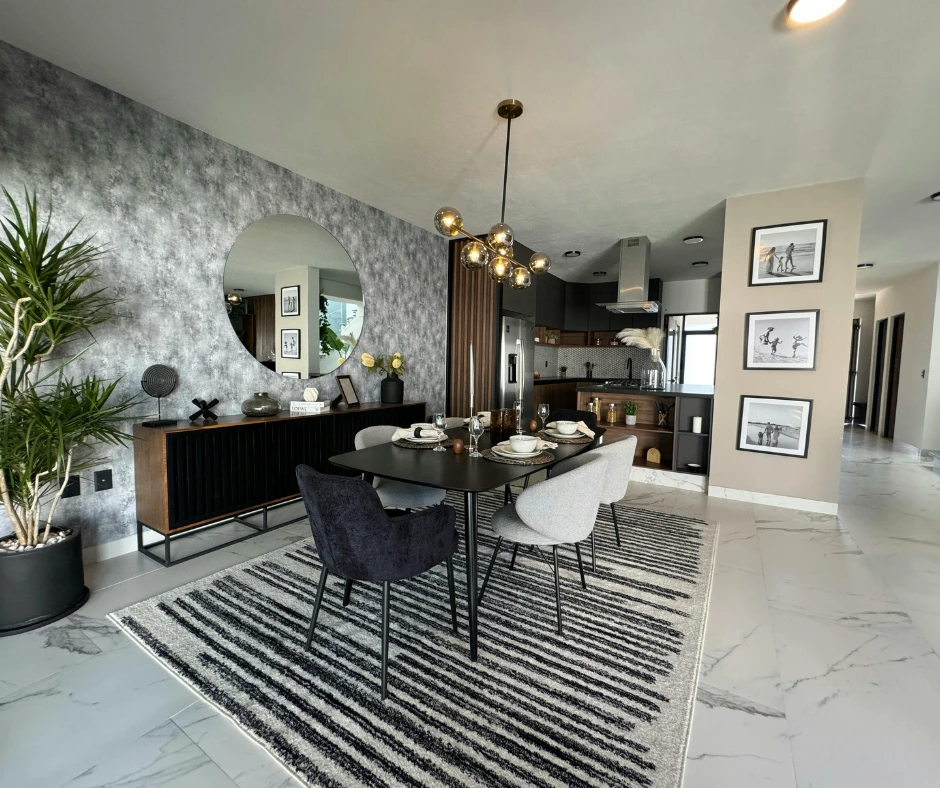
People usually think about residential interior design in Karachi when everyday life starts pushing back. Storage runs out faster than expected. Rooms feel busy even when they aren’t full. Spaces that once worked begin to feel awkward as routines change. The issue isn’t always poor design. Often, it’s design that never accounted for how homes are actually lived in.
Residential interiors here don’t exist in isolation. They absorb family habits, climate, building limitations, and years of small adjustments. A home may carry traces of different eras, extensions, or shared uses that were never planned together. That’s why residential interior design isn’t about making a space impressive. It’s about making it workable, day after day.
This page is written for people trying to understand how home interiors function beyond visuals. Not to rush decisions, but to help make sense of them.
Understanding Residential Interior Design in Karachi:
Residential interior design in Karachi operates under conditions that aren’t always obvious at first glance. Many homes were built with layouts that suited a different time. Others were modified gradually, room by room, without an overall plan. Apartments, portions, and independent houses all carry different constraints, even within the same neighborhood.
Home interior design here has to respond to daily routines more than ideal layouts. Kitchens often serve more than one purpose. Bedrooms shift roles as workspaces. Storage expands into corridors or balconies. These adaptations aren’t design failures. They’re signals of how homes are actually used.
What separates residential design from commercial or showcase interiors is this constant negotiation with real life. Comfort matters more than presentation. Durability matters more than novelty. Flexibility matters more than perfect symmetry.
Good residential interior design doesn’t try to correct every imperfection. It works with them. It anticipates movement, wear, and change. When planning respects those realities, homes tend to age more gracefully and demand fewer compromises later.
How Homes Are Actually Used, Not Just Designed:
Homes rarely behave the way floor plans suggest. A room that looks generous on paper can feel tight once furniture, movement, and daily habits settle in. Residential interior planning starts to make sense only when you look at how people actually move through their homes, not how spaces are supposed to function in theory.
In many Karachi homes, rooms do more than one job. Living areas host guests, store overflow items, and double as family gathering points. Bedrooms become temporary workspaces. Dining tables turn into homework desks. These shifts are not exceptions. They are the norm.
Interior design for homes often falls short when decisions are made only for visual balance. Storage looks adequate until it fills up. Circulation feels fine until several people move through the space at once. Over time, small inconveniences stack up.
Good residential planning acknowledges these patterns early. It doesn’t try to force a home into a fixed role. It allows rooms to adapt without feeling compromised. This kind of thinking usually comes after people have spent time understanding interior design planning in Karachi, but still want clarity on how that thinking applies inside a real home.
When design responds to lived routines instead of ideal layouts, homes feel calmer. Not because they are simpler, but because they make fewer demands on the people living in them.
Kitchen Interior Design as a Functional Space:
Kitchen interior design is often where good intentions meet daily pressure. On drawings, everything appears ordered. Cabinets align, appliances fit neatly, and circulation looks clear. Once the kitchen is in use, reality settles in.
This is usually the most demanding space in a home. It deals with heat, moisture, storage overflow, and constant movement. When planning is shallow, even a well-finished kitchen starts to feel tiring within months.
Where Kitchens Usually Start to Feel Difficult:
Most kitchen issues don’t come from lack of space. They come from how space is organized.
A few patterns show up repeatedly:
- storage that exists but isn’t reachable during cooking
- work surfaces that feel crowded at peak hours
- doors, drawers, or appliances blocking movement
- ventilation installed, but not effectively placed
These problems aren’t dramatic. They’re persistent. And that’s what makes them exhausting over time.
Movement Matters More Than Appearance:
In daily use, kitchens behave more like workspaces than showpieces. People move quickly. Tasks overlap. More than one person often shares the space.
When workflow isn’t considered early, the kitchen demands constant adjustment. Reaching across hot surfaces, navigating around open doors, or repeatedly crossing the same path turns routine cooking into effort.
Good kitchen planning looks closely at how movement happens. Where ingredients are stored. Where preparation happens. Where heat builds up. These details don’t always show in photos, but they shape comfort more than finishes ever will.
Kitchen design benefits from being treated as its own planning exercise, not a visual extension of the rest of the home. Small decisions here tend to affect daily routines more than in any other room.
Kitchen design deserves deeper discussion, which we’ll explore separately.
Bathroom Interior Design and Everyday Practicality:
Bathrooms tend to be designed quickly and questioned later. They look finished early, but problems show up slowly. Moisture lingers, surfaces stain faster than expected, and cleaning becomes more work than it should be.
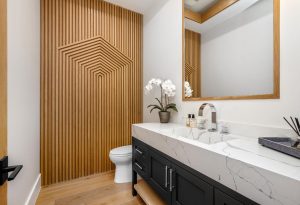
Bathroom interior design is less forgiving than most rooms. Small mistakes here don’t stay small for long.
What usually matters most in daily use isn’t visual detail, but a few practical decisions that often get rushed:
- how moisture moves and exits the space
- whether ventilation is effective or simply installed
- how surfaces respond to constant cleaning and humidity
These choices affect safety and maintenance far more than fittings or finishes.
In many homes, bathrooms are designed as isolated units, without considering how often they’re used or by how many people. Over time, that mismatch becomes obvious. Slippery floors, poor drainage, or materials that age poorly turn routine use into frustration.
Good bathroom planning doesn’t aim for visual impact. It aims for reliability. When a bathroom works quietly in the background, people stop thinking about it altogether. That’s usually the best outcome.
Bridal and Luxury Rooms as Personal Spaces:
Bridal and luxury rooms are often treated as statement spaces. They carry expectations, emotions, and a sense of occasion that other rooms don’t. That pressure can easily push design decisions toward appearance first, comfort later.
What’s often missed is that these rooms are lived in long after the photographs are taken.
Luxury room interior design works best when it feels settled, not staged. Calm lighting matters more than dramatic fixtures. Storage that stays out of sight matters more than visual symmetry. Privacy, sound control, and ease of movement quietly shape how the room feels day after day.
Bridal room interior design adds another layer. There’s emotion involved, but also transition. These rooms often mark the beginning of a new routine, not just a moment. Over-designing them can make daily use feel restrictive instead of reassuring.
A few considerations tend to matter more than expected:
- lighting that adjusts throughout the day
- finishes that don’t demand constant upkeep
- layouts that feel private without feeling enclosed.
When these rooms are planned with restraint, they age well. They adapt as routines settle. They remain comfortable even when their original purpose evolves.
The most successful luxury spaces don’t announce themselves loudly. They allow the people using them to feel at ease, without asking for attention. That balance is usually intentional, even if it looks effortless.
Common Residential Interior Design Mistakes:
Most residential interior design mistakes don’t come from bad taste. They come from decisions made under pressure, often before the home’s daily realities are fully understood. These mistakes are usually quiet at first, then gradually become harder to ignore.
When Too Much Is Added to Fix Too Little:
Overcrowding is one of the most common issues in residential interiors. Furniture, storage units, and visual elements are added to solve earlier discomfort, but the result is often the opposite. Movement tightens. Cleaning takes longer. Rooms feel busy even when nothing is happening.
This usually happens when design decisions focus on filling space instead of understanding how it’s used.
Letting Trends Decide Instead of Daily Use:
Trends can be helpful, but they become a problem when they lead the process. A layout or finish may look current, but if it doesn’t suit the home’s climate, usage patterns, or maintenance habits, it quickly turns into a burden. What feels fresh at first can start to feel demanding within a year.
Residential interiors age better when trends inform thinking, not replace it.
Treating Ventilation as a Technical Afterthought:
Ventilation is often planned late or treated as a minor detail. In daily use, it affects comfort far more than expected. Poor airflow changes how kitchens, bathrooms, and bedrooms feel, even if everything else looks finished. Discomfort accumulates slowly, but consistently.
Short-Term Decisions That Create Long-Term Friction:
Many of these mistakes share the same root. Decisions are made to solve immediate concerns without considering how the home will be used over time. Redesigns become frequent. Frustration grows.
Taking time to understand how to choose an interior designer in Karachi often prevents problems that no amount of redesign can fully correct later.
Residential interior design isn’t about avoiding mistakes entirely. It’s about recognizing patterns early and choosing not to repeat them. Awareness alone often prevents more problems than any single design choice.
Planning Residential Interior Design for Long-Term Comfort:
Residential interiors reveal their strengths gradually. Spaces that rely on first impressions often lose comfort with daily use, while well-planned homes tend to settle into routines more easily. The difference usually comes from early thinking, not surface choices.
Initial decisions influence how a home behaves years later. Layout affects movement. Storage shapes order. Ventilation plays a role in health and upkeep. When these elements are planned with long-term use in mind, homes place fewer demands on the people living in them.
Interior design planning benefits from acknowledging change as a constant. Families grow. Work patterns shift. Rooms take on new roles over time. Homes that are planned with flexibility in mind adapt more easily and feel less strained as routines evolve.
A process-led approach keeps decisions connected instead of isolated. When residential interior design is treated as a sequence of considered choices rather than a single transformation, comfort becomes more consistent. Maintenance feels manageable. Adjustments feel deliberate rather than corrective.
For homeowners who prefer structured guidance over trial and error, working with professional interior design services in Karachi can help translate planning into spaces that remain practical and comfortable over time. At Kaacib, residential interiors are approached with this mindset. The focus stays on supporting daily living while allowing room for change, without rushing outcomes or forcing decisions.
Common Questions about Residential Interior Design in Karachi:
Q1. What makes residential interior design different from other types of design?
Residential interior design is shaped by daily life. Homes have routines, habits, and emotional attachments that commercial spaces don’t. Decisions here affect comfort, privacy, and long-term ease, not just appearance. That’s why planning for how people live matters more than creating visual impact.
Q2. How much planning is actually needed for home interiors?
More than most people expect, but less than they fear. Good planning doesn’t mean freezing every detail. It means understanding layout, storage, movement, and priorities before work begins. Even basic clarity early on can prevent months of small frustrations later.
Q3. Can residential interior design work within a limited budget?
Yes, when priorities are clear. Budget limitations usually become a problem when decisions are rushed or scattered. Thoughtful planning helps direct spending toward areas that affect daily comfort most, while allowing flexibility elsewhere. Design isn’t about spending more, it’s about spending deliberately.
Q4. Should each room be designed separately or as part of the whole home?
Rooms are used separately, but they’re lived in together. Designing spaces in isolation often creates imbalance. When interiors are planned with the whole home in mind, transitions feel smoother and adjustments become easier over time. Individual rooms work better when they belong to a shared logic.