
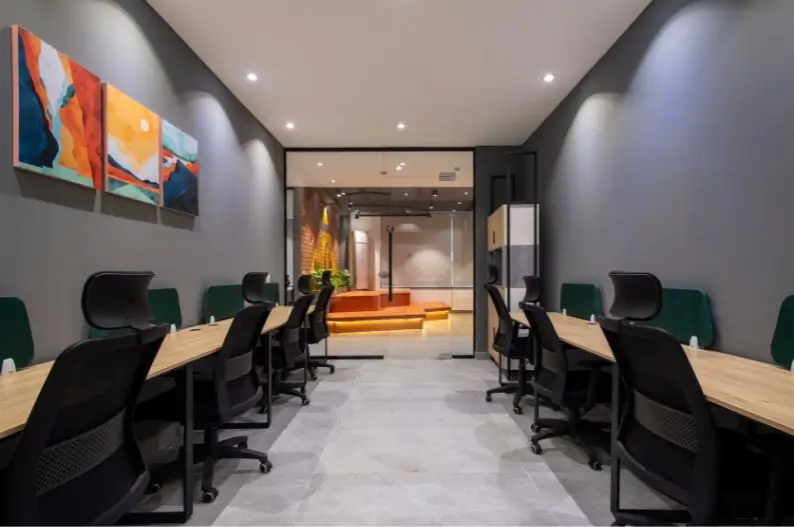
Office interior design in Karachi usually comes into focus when work starts feeling harder than it should. Teams struggle to concentrate. Meetings interrupt focused tasks. Simple movement feels restricted. The problem is rarely about furniture alone. It’s often about how the space was planned to function, or not planned at all.
Workplaces here operate under varied conditions. Some offices occupy newly built towers. Others function inside converted houses or shared commercial buildings. Power load, noise, daylight, and circulation differ widely from one location to another. Office interior design has to respond to those realities, not override them.
This page looks at office interiors from an operational point of view. The goal is not decoration, but clarity. How spaces support work, how layout affects behavior and how early planning reduces friction later.
Understanding Office Interior Design in Karachi
Office interior design in Karachi exists at the intersection of space, people, and daily output. Unlike homes, offices are measured by how well they support focus, coordination, and sustained activity. Visual appeal matters, but only after function is resolved.
Commercial interior design here varies widely in scale and condition. Small teams may operate from tight footprints with limited flexibility. Larger organizations may occupy floors designed for generic tenants. In both cases, design decisions affect how people interact with their work environment throughout the day.
Office interiors must accommodate movement without disruption. They need to balance privacy with collaboration. They must handle noise, lighting, and power requirements without creating fatigue. When planning overlooks these factors, productivity quietly suffers.
Many office design problems are not visible on day one. They surface over time as teams grow, workflows change, or equipment increases. A clearer perspective often comes after spending time understanding interior design planning in Karachi, where different space types and usage patterns intersect. This is why planning tends to matter more than finishes. A well-considered layout can adapt. A purely visual solution often cannot.
How Office Layout Affects Daily Work
Office layout decisions shape behavior long before people realize it. Movement patterns, visibility, and proximity quietly influence how teams focus, communicate, and recover energy during the day. When layout works, work feels lighter. When it doesn’t, even simple tasks begin to drain attention.
How Desk Placement Shapes Focus and Flow
Desk placement determines how often people are interrupted. Rows that force constant visual contact increase distraction. Clusters without clear boundaries blur responsibility. Poor circulation pushes people through work zones that should remain quiet.
Effective office layout planning considers how often movement crosses focus areas. Workstations benefit from stability. Pathways benefit from clarity. Mixing the two usually leads to fatigue.
How Zoning Reduces Friction Between Tasks
Workplaces rarely operate in a single mode. Focused work, short discussions, calls, and collaboration all happen in parallel. When every activity is forced into the same zone, conflict builds.
Zoning helps separate intent without isolating teams. Even small offices benefit from basic spatial distinction, such as:
- areas meant for concentrated work.
- shared zones for discussion or quick coordination.
- buffer spaces that absorb movement and noise.
These distinctions don’t require walls. They require intent.
How Lighting and Visibility Affect Energy Levels
Lighting influences attention more than decoration ever will. Harsh glare tires eyes. Poor daylight placement creates uneven energy across the workspace. Visibility that feels too open removes a sense of focus. Visibility that feels too closed limits collaboration.
Interior design for workplaces works best when lighting supports tasks, not just ambiance. People should not have to adjust posture or position repeatedly to stay comfortable.
How Layout Mistakes Quietly Reduce Productivity
Most layout problems don’t feel urgent. They feel tolerable. Chairs shift. Screens angle away from light. People adapt. Over time, those small adjustments turn into inefficiency.
Workspace planning that responds to daily behavior reduces the need for constant adaptation. When layout aligns with how work actually happens, productivity improves without being forced.
Small Office Interior Design and Space Constraints
Small office interior design often looks simple on the surface. Fewer people, fewer desks, fewer rooms. In practice, it demands more precision than larger workplaces. Limited square footage leaves little room for error, and every decision carries weight.
Space constraints affect movement, storage, and flexibility all at once. When planning is shallow, small offices feel crowded quickly. When planning is careful, the same space can support growth without feeling compressed.
Common challenges tend to appear in predictable ways:
- furniture that serves only one purpose.
- storage placed where movement is needed most.
- workstations positioned too close to circulation paths.
- meeting needs forced into active work zones.
Small offices benefit from restraint. Multi-functional elements matter more than visual statements. Clear pathways matter more than filling every corner. Flexibility matters more than fixed layouts.
Small office interiors involve specific constraints that deserve deeper discussion, which we’ll explore separately.
Ergonomics, Comfort, and Employee Wellbeing:
When Discomfort Becomes Part of the Workday
Ergonomics usually comes up after people start feeling tired without a clear reason. Work gets done, but focus fades earlier. Small aches become routine. Chairs get blamed. Screens get adjusted. The space itself rarely does.
In many offices, comfort is treated as an individual problem. Someone raises a chair. Someone shifts a desk. Someone learns to work around glare or noise. Over time, that constant adjustment becomes tiring.
How the Workspace Quietly Shapes Physical Strain
Office interior design plays a quiet role in how the body reacts throughout the day. Inconsistent desk heights, screens facing direct light, or uneven airflow push people to compensate without noticing. The body adapts until it can’t.
Good ergonomic thinking doesn’t chase ideal posture. It reduces unnecessary strain.
Comfort That Doesn’t Ask for Attention
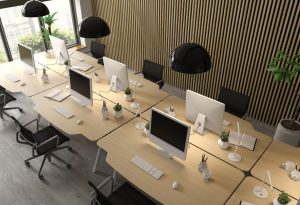
Seating should support posture without demanding focus. Desks should feel neutral, not something to negotiate with. Screens shouldn’t require leaning forward or twisting slightly to stay comfortable. These details feel small, but they shape how long people can work without tension building up.
Wellbeing Is Influenced by More Than Furniture
Comfort isn’t only visual. Stale air, uneven cooling, or constant background noise drain energy quietly. People remain productive, but at a cost that shows up over time as fatigue or disengagement.
Office interiors that account for employee wellbeing early tend to settle better. Fewer adjustments are needed later. Work feels steadier, not because conditions are perfect, but because friction has been reduced.
Common Office Interior Design Mistakes
Office design mistakes rarely announce themselves early. Most begin as reasonable compromises made under time pressure. The space works well enough, so decisions move forward. The consequences usually appear months later.
When Space Slowly Becomes Crowded
Overcrowding rarely happens all at once. A desk is added. Storage creeps closer to walkways. Personal space shrinks without a clear moment of failure. The office still functions, but movement becomes cautious and focus feels harder to maintain.
People adapt, but that adaptation costs energy.
How Noise Turns Into Daily Fatigue
Open layouts often feel collaborative at first. Conversations flow easily. Over time, sound travels farther than expected. Calls overlap. Focused work becomes harder to protect. Headphones appear, not as tools, but as shields.
Once noise becomes part of the environment, correcting it is rarely simple.
Lighting Problems People Learn to Live With
Lighting issues tend to be tolerated rather than addressed. Glare doesn’t stop work, so it’s ignored. Dim areas don’t block productivity, so they remain unchanged. Slowly, people shift posture, tilt screens, or relocate desks to cope.
These adjustments feel small, but they accumulate.
Designing Only for Today’s Needs
Another common mistake is planning for the present moment alone. Teams grow. Roles evolve. Equipment increases. Spaces that weren’t designed to adapt begin to feel tight and outdated faster than expected.
Office interiors that lack flexibility age quickly, even when finishes remain new.
Office design rarely fails because of one poor choice. It fails through a series of small decisions that never received enough attention. Taking time to understand how to choose an interior designer in Karachi often prevents problems that are difficult to reverse later.
Planning Office Interior Design for Long-Term Use
Office interiors tend to reveal their quality over time. A space can look finished and still struggle to support daily work. Another may appear simple but continue to function well as teams grow, routines shift, and demands change. The difference usually lies in planning.
Early decisions shape how an office behaves years later. Layout determines whether movement feels natural or disruptive. Storage affects order and retrieval. Material choices influence maintenance and durability. When these elements are considered together, offices remain usable instead of requiring constant correction.
Planning also means allowing for change. Teams expand. Roles evolve. Technology updates. Offices designed with flexibility absorb these shifts without feeling strained. Spaces planned only for immediate needs often feel outdated sooner than expected, even when finishes are still intact.
Commercial interior design works best when decisions are connected rather than isolated. Layout, lighting, acoustics, and ergonomics influence one another. Treating them separately creates gaps that show up later as inefficiency or discomfort.
For organizations that prefer structured execution rather than trial-and-error adjustments, working with professional interior design services in Karachi helps translate planning into offices that continue to support daily work as needs evolve. At Kaacib, office interior projects are approached through this lens. The focus stays on workflow, operational clarity, and long-term usability rather than surface impact. Planning is treated as the foundation, not a step to rush through.