

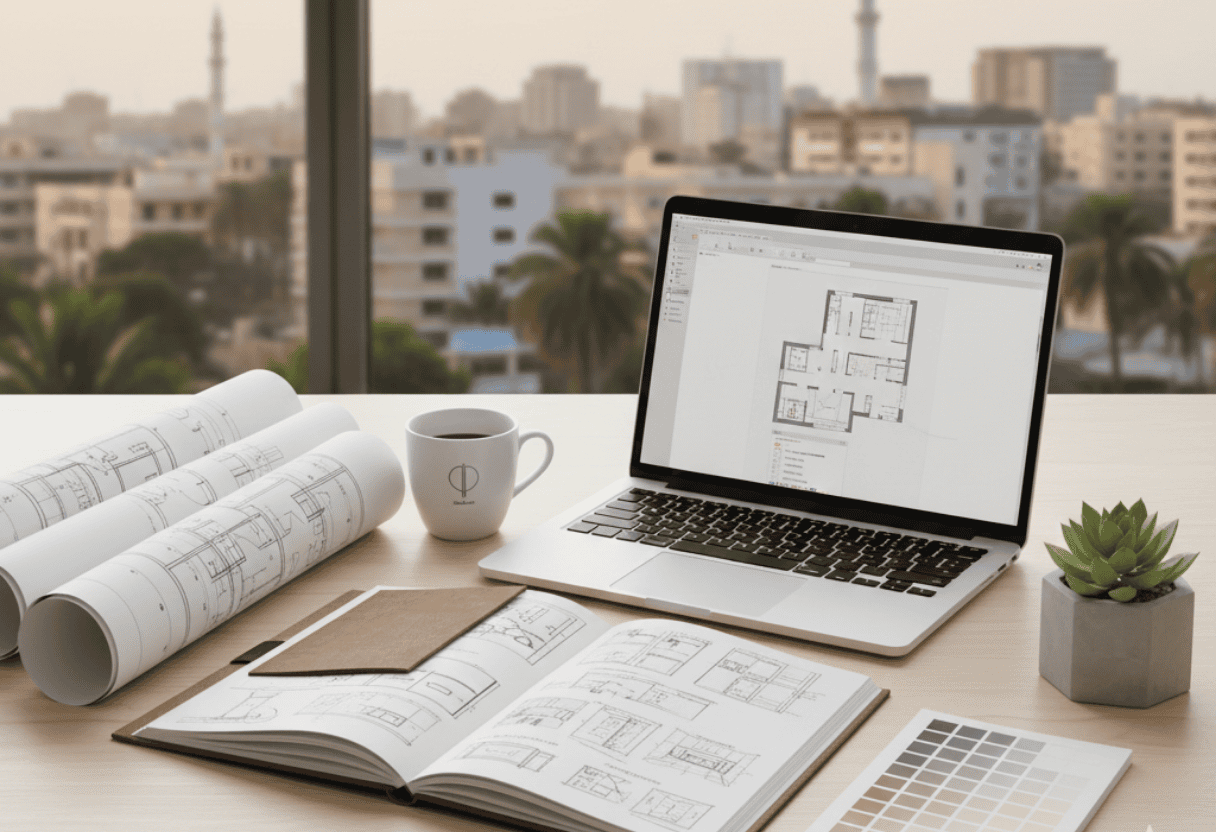
Why Interior Design in Karachi Needs a Practical Mindset
Karachi is not one type of city, and its interiors reflect that. A flat built in the 90s behaves very differently from a new high-rise apartment. Offices tucked into converted houses face problems that purpose-built spaces never do. Anyone looking for an interior designer in Karachi and how to choose the right professional often learns this the hard way. Furniture does not fit, light behaves oddly, and daily movement feels awkward.
Interior design here rarely starts with visuals. It starts with constraints. Limited space, mixed usage, heavy foot traffic, humidity, power load, and routines that change throughout the day. A kitchen might double as a storage area. A bedroom may quietly function as a home office. These realities shape design decisions far more than trends ever will.
This guide is written for people who are still thinking things through. Not to sell ideas, but to help you understand how interior design works when real life gets involved.
What People Really Mean When They Search for an Interior Designer in Karachi
When people type interior designer in Karachi into a search bar, they are rarely clear about what they are asking for. Some are reacting to frustration. Others are trying to fix something that never worked properly in the first place. The words are simple, but the expectations behind them are usually mixed.
One person may want a space to look better because it feels dated or cramped. Another may be struggling with everyday issues, poor lighting, awkward storage, or furniture that disrupts movement. Most do not know how to describe these problems, so they fall back on general terms like modern, clean, or premium.
This shows up often in real conversations. An office manager might request a better-looking layout, without mentioning constant noise or uncomfortable seating. A homeowner might ask for a modern kitchen, without realizing that storage flow, appliance spacing, and task lighting matter more than finishes alone.
A capable interior designer listens past the surface request. They watch how the space is used, ask questions people did not think to raise, and connect design choices to daily routines. That approach helps avoid mistakes that feel small at first, but become expensive later, especially in Karachi’s climate and building conditions.
As you read on, this article will help you unpack those expectations and approach interior design decisions with more clarity, not assumptions.
Before moving into residential and office interiors, it helps to slow down for a moment. Many design issues don’t start with poor execution. They begin earlier, with decisions made without enough clarity. Budget expectations, timing, and assumptions about what a space can or cannot do often shape outcomes more than finishes or furniture. Thinking clearly before hiring an interior designer in Karachi tends to make the difference between a space that looks complete and one that actually works over time.
How to Judge an Interior Designer in Karachi Without Guesswork
When people search for an interior designer in Karachi, many are quietly hoping to find “the best” option without fully knowing what that means for their own space. Design decisions are personal. A layout that works beautifully for one household or office can fail in another with a different routine or workload.
Instead of chasing labels, it helps to look at how a designer approaches problems. Daily habits, storage pressure, movement, and noise all shape whether a design will hold up after the first few months.
A more reliable way to assess a designer is to look beyond surface appeal and focus on these practical signals:
- Planning before styling
Designers who begin with measurements, usage patterns, and constraints tend to deliver spaces that function well long term, not just on day one.
- Clear communication
The top interior designer in Karachi is often the one who explains compromises, timelines, and costs plainly, rather than avoiding uncomfortable details.
- Evidence of problem-solving
Pay attention to projects where awkward layouts, small rooms, or mixed-use spaces were handled thoughtfully.
- Respect for client input
Strong designers guide decisions but leave room for feedback. They adjust instead of forcing a signature style.
Portfolios still matter, but they need to be read carefully. Look at how furniture fits, how circulation works, and whether materials feel suitable for Karachi’s climate. Real quality usually reveals itself in these quieter choices, not in dramatic visuals.
Residential Interior Design: Making Everyday Living Work for You
Homes in Karachi rarely follow a single pattern. Some are decades old with tight corners, others are newer but planned without much thought for daily movement. That is why residential interior design here has to start with how people actually live, not how a space looks in photos.
Kitchen interior design is a good example. In many homes, the kitchen carries more pressure than any other room. It has to support quick mornings, shared meals, and constant storage needs. Small changes such as improving counter flow, rethinking appliance placement, or adding pull-out storage often solve problems people have quietly lived with for years.
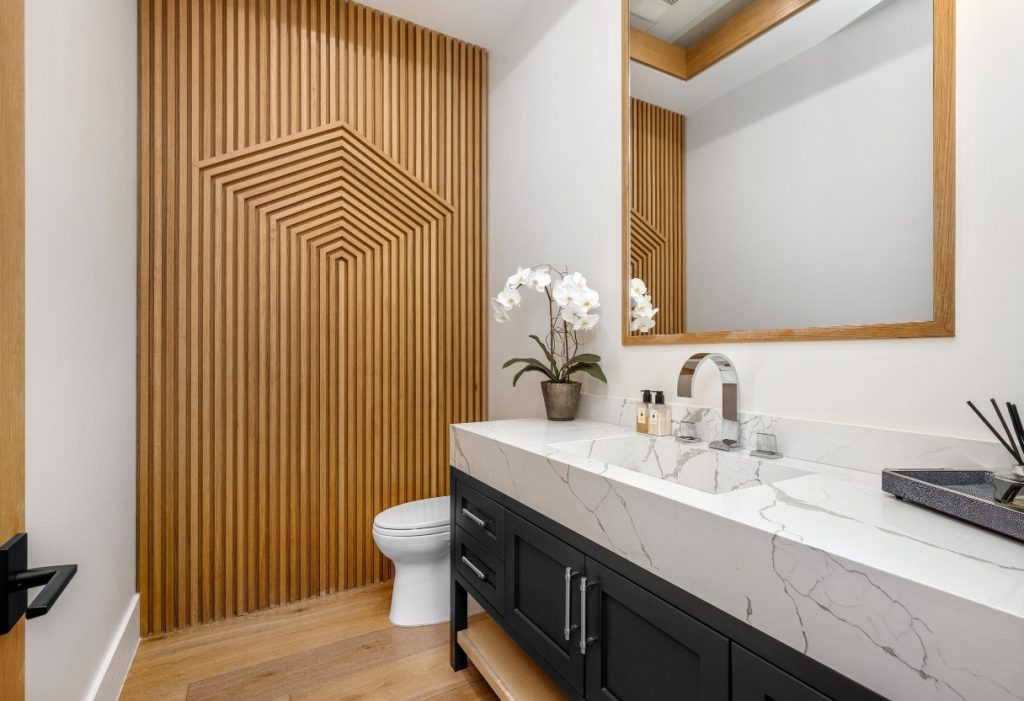
Bathroom interior design brings a different set of priorities. Moisture, safety, and long-term durability matter more than decorative trends. Ventilation, lighting placement, and slip resistance are not details to add later. They shape how usable the space feels every single day, especially in busy households.
Luxury room interior design follows a calmer logic. The aim is not to impress but to create comfort that lasts. Soft lighting, balanced textures, and restrained detailing help rooms feel personal rather than staged.
When planning residential spaces, we usually focus on:
- Function before form
every element should earn its place through daily use.
- Ease of movement
Rooms should feel natural to walk through, not tight or interrupted.
- Material longevity
Finishes must handle Karachi’s climate and regular wear.
- Personal relevance
the space should reflect habits and preferences, not borrowed styles.
Good residential design reduces friction at home. When the space works quietly in the background, daily life feels lighter.
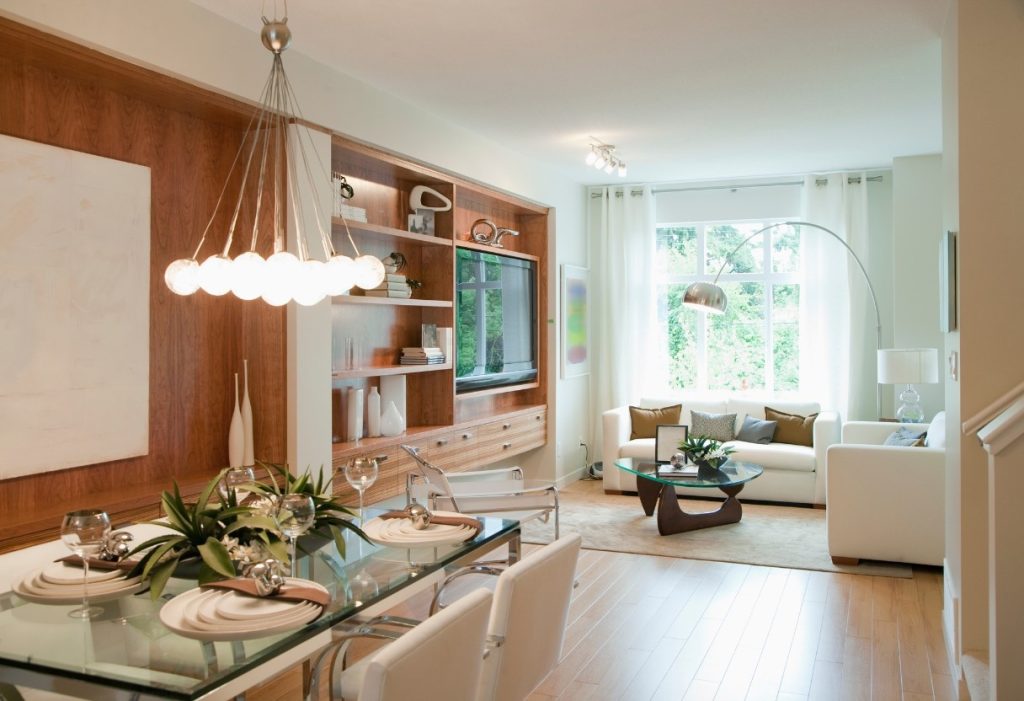
Small Office Interior Design: When Space Is Limited, Decisions Matter More
Small offices are common in Karachi, and they bring their own set of problems. There is rarely excess space, and mistakes show quickly. A poorly placed desk, an oversized cabinet, or unclear walkways can make the entire office feel tense within weeks.
Small office interior design starts with understanding how the space is used across a full workday. Who needs quiet, which needs movement, and where clutter builds up naturally. Instead of forcing visual trends into tight layouts, good planning focuses on circulation, shared storage, and furniture that serves more than one purpose.
Lighting plays a larger role in compact offices than most people expect. Poor placement causes glare on screens and fatigue by midday. Natural light, when available, needs to be managed rather than blocked. Artificial lighting should support focus without flattening the room.
Some practical points we usually emphasize in smaller offices:
- Clear zoning
Separate work, meeting, and storage areas even when walls are not possible.
- Flexible furniture
Desks, shelving, and seating should adapt as teams grow or shift.
- Visual breathing room
Open sightlines reduce the feeling of crowding more than extra décor ever could.
- Hidden storage
Clutter shows faster in small spaces and affects focus almost immediately.
When space is limited, design decisions carry more weight. The goal is not to make a small office look bigger, but to make it work better every day.
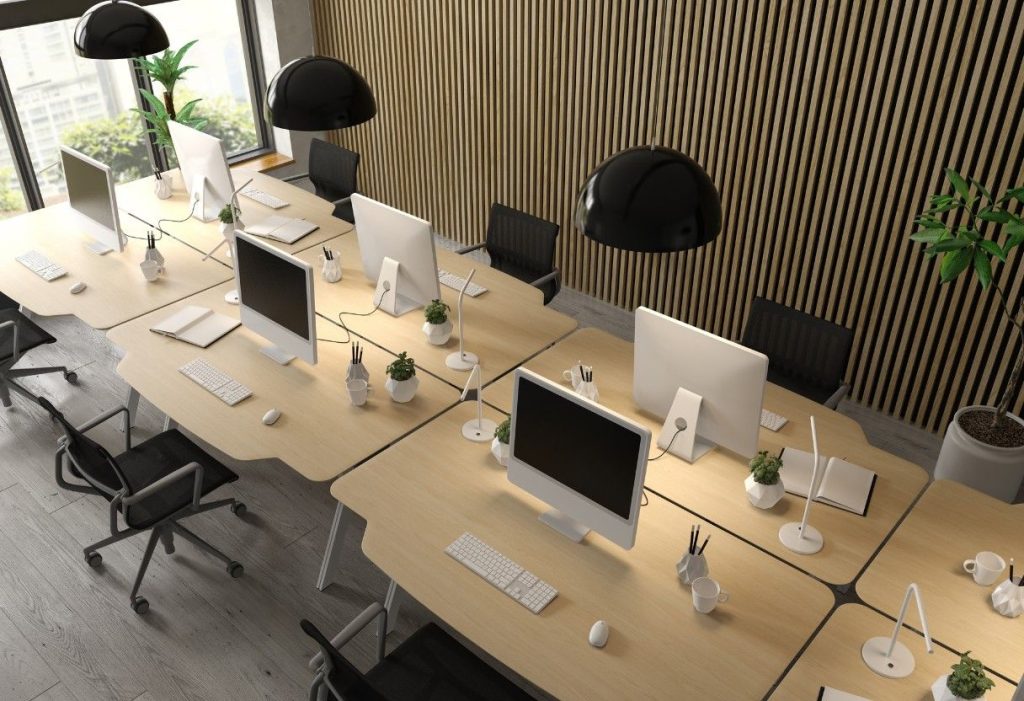
Kitchen and Bathroom Interior Design: Small Spaces, Big Impact
Kitchens and bathrooms are often the most used spaces in a home, yet they’re easy to overlook when planning interior design. A thoughtful kitchen interior design does more than look good; it makes daily routines smoother. Proper counter height, logical appliance placement, and smart storage can save minutes every morning, and small adjustments, such as drawer organizers or hidden spice racks. It reduces clutter without sacrificing style.
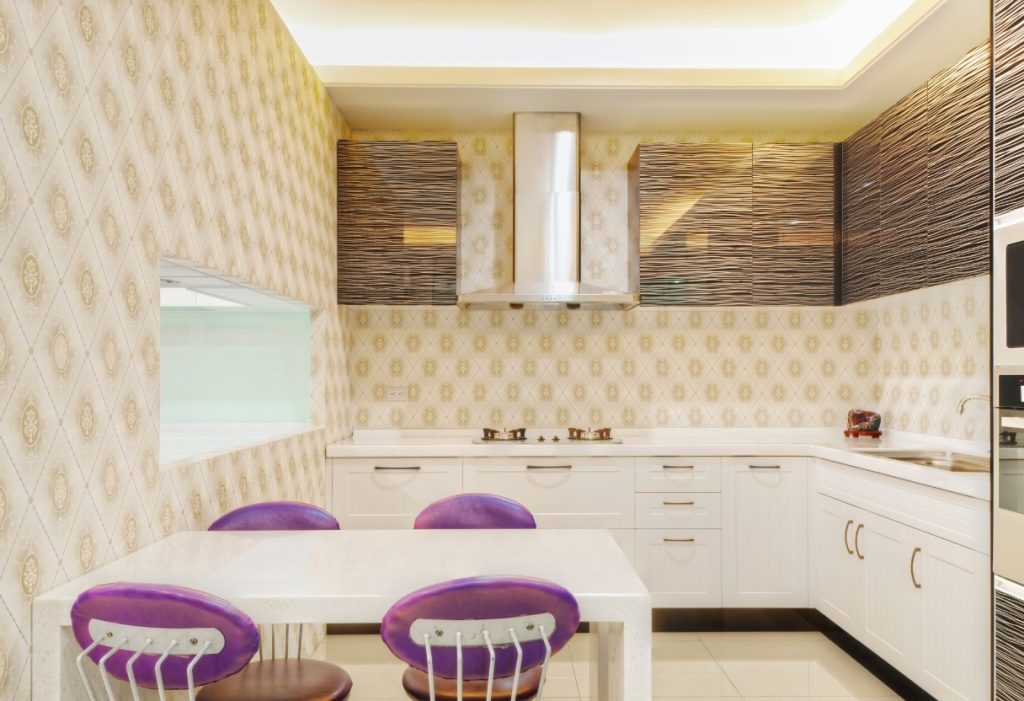
Bathrooms, on the other hand, need durability and comfort alongside aesthetics. Bathroom interior design focuses on ventilation, slip-resistant surfaces, and lighting that work for early mornings or late-night routines. Even something as simple as the placement of hooks, mirrors, or shelves can change the way you interact with the space.
Some practical considerations for these spaces:
- Flow matters: Arrange movement paths so opening doors or drawers doesn’t feel awkward.
- Choose materials wisely: Water-resistant, easy-to-clean surfaces extend lifespan.
- Lighting is functional and atmospheric: Task lighting for preparation, softer lighting for relaxation.
- Maximize storage: Clever nooks, vertical shelving, and hidden cabinets keep essentials accessible yet out of sight.
Small spaces, when designed thoughtfully, can feel open, organized, and surprisingly luxurious. They set the tone for the rest of the home and make everyday life more effortless.
Luxury Room Interior Design: Spaces That Actually Work for You
We’ve walked into rooms that look perfect on Instagram but feel awkward the moment you sit down. Chairs too stiff, corners too empty, lighting that strains your eyes, luxury isn’t just about appearances. It’s about comfort, flow, and the small details that make living there effortless.
In a real luxury room, we think about how you actually use the space. Maybe you like reading by the window, or your evenings are spent listening to music while cooking in a connected kitchenette. Furniture placement, lighting, and textures are all tailored to those habits.
Some subtle touches often overlooked but critical for everyday luxury include:
- Soft, layered lighting: Warm lamps for evenings, task lights for reading, dimmers for flexibility.
- Materials that age well: Fabrics and woods that feel cozy but last through daily wear.
- Intuitive circulation: You shouldn’t have to navigate around awkward gaps or block natural walkways.
- Personalized accents: Artwork, shelves, or keepsakes that reflect the people living there, not just trends.
Luxury is most noticeable in the moments you don’t notice it, when a room simply feels right. It’s about creating a space that supports your lifestyle while subtly impressing visitors, without ever feeling staged.
Office and Commercial Interior Design: Spaces That Work Without Fighting You
Walking into an office should feel effortless. Yet we often see workplaces where chairs are jammed against desks, corridors feel like obstacle courses, and employees struggle with glare from poorly placed windows. Good interior design in commercial spaces starts by observing how people actually move and work, not by following trends blindly.
Small office interior design requires careful planning. Even a compact workspace can feel spacious if circulation paths are clear and storage is strategically integrated. Desks aren’t just furniture — they’re tools. Proper spacing, ergonomic seating, and accessible power outlets prevent frustration and repetitive strain injuries.
For restaurants and cafeterias, the challenges are different but equally real. Restaurant interior design must guide guests naturally from entry to seating, create zones that support staff workflow, and maintain comfort during peak hours. Cafeteria interior design focuses on durability: surfaces that withstand constant cleaning, chairs that remain stable, and layouts that prevent bottlenecks during rushes.
Some practical considerations we implement in commercial spaces include:
- Clear workflow mapping: Staff can move efficiently without collisions, from kitchens to counters to storage.
- Zoned lighting: Task areas have focused lighting while communal zones feel inviting.
- Material durability: Surfaces and furniture endure daily wear without sacrificing aesthetics.
- Acoustic planning: Noise reduction strategies, especially in open offices, improve focus and client interactions.
A well-designed commercial interior isn’t flashy; it quietly supports everyone’s daily tasks while reflecting the brand’s personality. The difference shows in productivity, customer comfort, and reduced operational stress.
Bringing Your Vision to Life with Kaacib’s Interior Design Expertise
At the end of the day, interior design isn’t just about colors or furniture, but how a space feels when you live or work in it. Whether it’s a cozy apartment, a bustling office, or a high-traffic restaurant, thoughtful design changes everything.
We at Kaacib approach each project with a clear understanding of your lifestyle, your workflow, and even the little annoyances that often go unnoticed. Our team combines practical experience with creative insight to ensure every corner serves a purpose and feels intentional.
What sets us apart is our hands-on approach:
- Tailored Planning: We don’t reuse layouts; every space gets a solution that fits your routines.
- Attention to Details: From lighting angles to material durability, small choices make a big impact.
- Full Transparency: Timelines, costs, and recommendations are shared upfront, so you know exactly what to expect.
- Local Expertise: Having worked across Karachi and recently in Lahore, we understand local space constraints, material availability, and climate considerations.
Our goal is simple: to help you live, work, and host in spaces that feel effortless yet remarkable. From luxury room interior design to functional small office interior design, Kaacib ensures your vision is realized without unnecessary complexity.
If your space feels off, cramped, or uninspiring, reach out. We’ll explore practical, beautiful solutions that transform it, not just for appearances, but for everyday life.
Transform Your Space with Expert Interior Design
Your home or workspace deserves more than a quick fix, it deserves thoughtful design that makes everyday life easier and more enjoyable. Reach out to Kaacib, the trusted interior designer in Karachi and now in Lahore, and let’s create spaces that feel both beautiful and practical. Share your vision with us today, and we’ll bring it to life with care, expertise, and attention to every detail.
Interior design often looks simple from the outside, but it rarely stays that way once decisions begin to stack up. Layout planning, material choices, timelines, and coordination all require clarity to work together properly. For those who decide they need structured support rather than trial and error, working with professional interior design services in Karachi can help bring order to the process without rushing decisions or overcommitting too early.