
When Termites Start Damaging Your Home
Wooden cabinets and door frames often reveal early termite activity before structural damage becomes obvious. Fine powder near joints or small hollow spots inside wood usually signal hidden feeding.
A colony continues feeding quietly once termites settle inside the structure. Interior fibers weaken while the outer surface may still appear intact, leaving furniture, cabinets, and wall frames vulnerable.
During inspections in Lahore homes, Kaacib technicians often uncover infestations that remained unnoticed for months. Early termite inspection and treatment help control the damage and guide homeowners searching how to get rid of termites in Lahore.
Why Termites Appear in Homes
Termite activity usually develops where wood stays exposed and moisture remains present for long periods. Houses often provide both conditions without obvious warning signs.
Several conditions inside a property can encourage termite colonies:
- Moisture around plumbing or damp areas
Slow leaks under sinks, humid bathrooms, and poorly ventilated kitchens create environments termites tend to occupy.
- Wooden fixtures and furniture
Door frames, cabinets, shelving units, and storage furniture provide continuous material for termites to consume.
- Small structural gaps
Openings around pipe entries, wall joints, or foundations sometimes allow termites to move inside the structure unnoticed.
- Poor air circulation indoors
Limited ventilation keeps wooden surfaces slightly damp, which allows colonies to grow quietly over time.
- Unnoticed spaces inside the house
Areas behind cabinets, under flooring, or inside storage corners often remain undisturbed long enough for infestations to develop.
Recognizing why termites appear in houses helps reduce risk and supports long-term termite prevention
How Professionals Remove Termites From a Property
Termite removal rarely begins with spraying chemicals. Pest technicians first determine where colonies live and how far the damage has spread inside the structure.
Careful Inspection of Wooden Areas:
Inspection usually focuses on cabinets, door frames, wall panels, and furniture joints. Technicians look for feeding channels, powder residue, and weakened wood during a termite inspection service.
Targeted Termite Treatment:
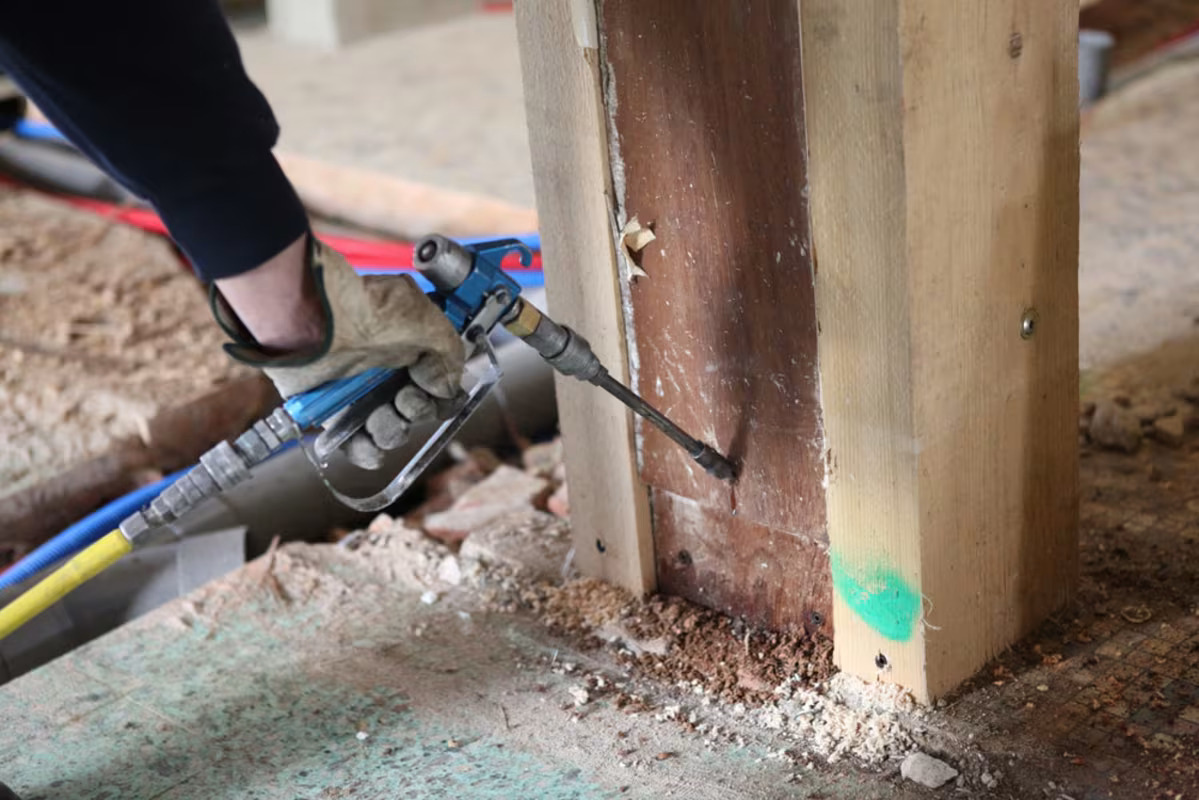
Treatment methods depend on infestation location and severity. Professionals may apply anti-termite treatment inside affected wood or surrounding structural areas.
Soil Treatment Around the Structure:
Soil near foundations often receives chemical barriers to stop underground colonies from entering the building. Such termite control treatment blocks movement between soil nests and wooden structures.
Protecting Furniture and Interior Wood:
Wooden cabinets, storage units, and door frames sometimes require direct wood termite treatment. Careful application protects surrounding furniture while eliminating termite activity inside the material.
Follow-Up Inspections:
Termite colonies may require monitoring after initial treatment. Follow-up termite inspection visits confirm whether infestation activity has stopped and help prevent further spread.
Termite Problems in Homes Across Lahore
Wood inside doors, cabinets, and wardrobes often attracts termite colonies in Lahore houses. Warm conditions allow infestations to remain active for long periods, especially where wooden fixtures stay undisturbed.
Closely built neighborhoods sometimes allow termites to move through soil beneath adjacent properties.
Infestations often remain unnoticed for months. Feeding usually continues inside wall frames, door structures, or furniture bases. Visible damage sometimes appears only after internal wood has already weakened.
Regular termite inspection Lahore services help identify early colony activity inside residential buildings. Professional termite control services in Lahore often prevent wider structural damage and costly repairs.
Preventing Termites Before Damage Returns
Termite treatment removes the immediate infestation, yet long-term protection usually requires steady attention to wooden fixtures inside the home.
Regular termite inspection visits help identify early activity before wood begins weakening again. Kaacib technicians often check door frames, cabinets, and storage furniture where colonies tend to return.
Moisture control also reduces risk. Leaking pipes, damp kitchens, and poorly ventilated rooms often attract termite colonies searching for stable nesting areas.
Wooden furniture and cabinets deserve occasional inspection as well. Powder residue, weak joints, or small holes may indicate renewed feeding activity.
Homeowners in Lahore sometimes request preventive termite treatment after inspection results show risk around wooden structures. Preventive care combined with early detection remains one of the most reliable long-term termite prevention solutions.